





Nickel plating of metal
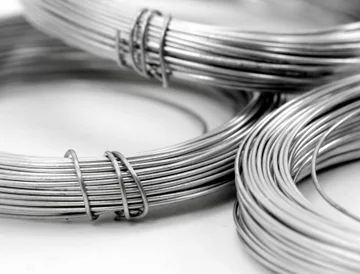
Nickel plating is a surface finishing process in which a thin layer of nickel is deposited onto a metal object to enhance its corrosion resistance, durability, and appearance. It is commonly applied to metals such as steel, copper, brass, aluminum, and zinc. Depending on its purpose, nickel plating can serve both decorative and functional roles.
The most widely used method is electroplating, where the metal part is immersed in a nickel salt solution (electrolyte) and connected to an electric current. The current causes nickel ions to bond to the surface of the item, forming a uniform, durable coating. There's also electroless nickel plating, which uses chemical reduction instead of electricity — ideal for coating complex shapes and internal surfaces.
Nickel coatings provide a shiny, silver-like finish and excellent resistance to moisture, chemicals, and mechanical wear. Nickel is also a good conductor of electricity, making it valuable in electronics and electrical components.
Nickel plating is widely used in industries such as automotive, aerospace, electronics, medical equipment, household appliances, and jewelry. Key benefits include: corrosion protection, increased hardness and wear resistance, improved solderability, enhanced aesthetics, and extended component life.