




Oxidation of metal
Metal oxidation, also known as oxide coating or blackening (in the case of steel), is a surface treatment process in which a thin oxide film is intentionally formed on the metal surface to improve corrosion resistance, enhance appearance, and increase surface performance. Depending on the metal and method used, oxide layers can be black, blue, gray, or even transparent.
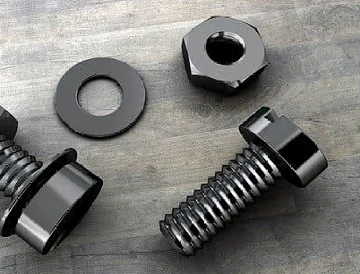
The most common types of oxidation include chemical and thermal oxidation. For example, black oxide treatment of steel involves immersing parts in a hot alkaline solution containing oxidizing agents. This creates a black magnetite (Fe₃O₄) layer that is tightly bound to the surface. The result is a corrosion-resistant, wear-resistant coating with a matte or semi-gloss finish.
Oxidized surfaces hold oils and lubricants better, making them ideal for tools, firearms, and precision components. This process does not significantly affect the dimensions of the part, which is critical in engineering applications.
Metal oxidation is widely used in the automotive, aerospace, defense, electronics, and optical industries. It offers numerous advantages such as corrosion protection, enhanced durability, improved aesthetics, and minimal cost. Additionally, it is an environmentally friendly and relatively simple process compared to other protective coatings.