




Phosphating of metal
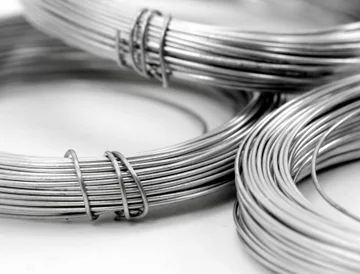
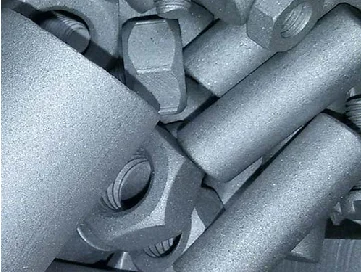
Phosphating is a chemical surface treatment process used to create a protective layer of phosphate compounds on metal surfaces. This phosphate layer enhances corrosion resistance and improves the adhesion of paints, primers, and lubricants. The process is most commonly applied to steel, galvanized steel, and cast iron.
The phosphating process involves immersing metal parts in a solution containing phosphoric acid and various additives (such as zinc, manganese, or iron). Through a chemical reaction, a crystalline layer of insoluble metal phosphates forms on the surface. The composition, thickness, and structure of this layer depend on the type of phosphating used (zinc, manganese, or iron phosphate).
The porous structure of the phosphate coating provides excellent anchoring for subsequent coatings, preventing peeling and flaking. Additionally, it reduces friction, wear, and enhances anti-friction characteristics of metal components.
Phosphating is widely used in the automotive industry, machinery manufacturing, household appliances, weapons production, and construction metalwork. It serves as an ideal pre-treatment before painting, powder coating, or temporary storage.
Benefits of phosphating include corrosion protection, improved coating adhesion, wear reduction, resistance to aggressive environments, and ease of application. It is an economical and environmentally sound method to extend the life and improve the performance of metal parts.