




Zinc coating of metal
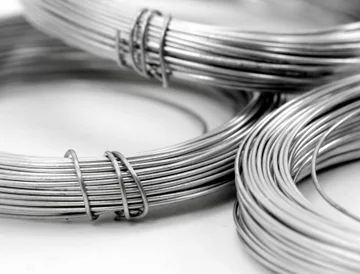
Zinc coating, commonly known as galvanizing, is a protective process where a layer of zinc is applied to the surface of metal objects, primarily steel or iron, to prevent rust and corrosion. The main goal of galvanizing is to extend the lifespan of metal products and maintain their functionality in various environmental conditions.
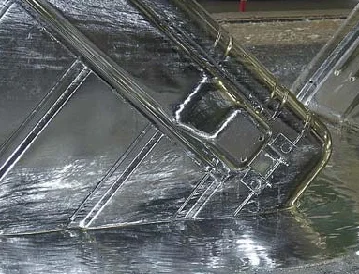
There are several types of galvanizing: hot-dip galvanizing, electro-galvanizing (electrolytic), thermal diffusion, and cold galvanizing (using zinc-rich paints). The most commonly used method is hot-dip galvanizing. In this process, the metal part is submerged in molten zinc at a temperature of around 450°C. The resulting coating forms a strong metallurgical bond with the base metal, offering long-term protection.
The zinc layer acts as a barrier that shields the underlying metal from moisture, oxygen, and corrosive chemicals. This prevents rust from forming and ensures durability. Zinc coating is widely used in construction, automotive industry, energy sectors, manufacturing of fences, pipes, bolts, and various other metal structures.
Advantages of zinc coating include high corrosion resistance, cost-effectiveness, low maintenance, and suitability for harsh environmental conditions. Galvanizing remains one of the most efficient and reliable methods for protecting metal from degradation and corrosion.