




Gas cutting
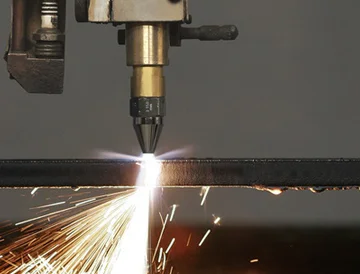
Gas cutting, also known as oxy-fuel cutting, is a thermal cutting process used to cut metals by burning a fuel gas (typically acetylene or propane) in combination with oxygen. The process begins by preheating the metal to its ignition temperature, after which a jet of pure oxygen is directed onto the metal. This initiates an oxidation reaction that rapidly heats and removes the material from the cutting area.
Gas cutting is commonly used in construction, shipbuilding, pipeline repair, metal structures, and demolition work. It is especially effective for cutting ferrous metals like carbon steel. The process is simple, requires relatively inexpensive equipment, and can be performed both in workshops and on-site in the field.
The advantages of gas cutting include low equipment costs, high mobility, independence from electricity, and the ability to cut through thick metal sheets. However, it is less precise compared to plasma or laser cutting and can leave more slag or rough edges. Despite this, gas cutting remains widely used due to its affordability, reliability, and ease of use. It’s a time-tested method for working with metals and continues to be relevant in both industrial and manual applications.