


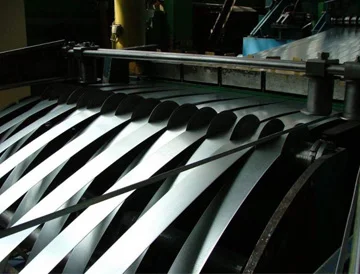
Longitudinal cutting
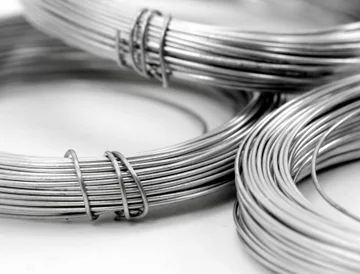
Slitting of metal, also known as longitudinal cutting, is a technological process in which a wide coil of metal is cut lengthwise into several narrower strips, often referred to as "slit coils" or "strips". This method is commonly used in the metalworking and steel processing industries to prepare material for the production of profiles, tubes, fasteners, facade panels, and other components.
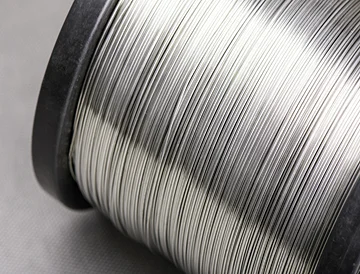
The process is carried out on a specialized slitting line. The metal coil is loaded onto an uncoiler, then passed through a set of rotating circular blades or knives that cut it into strips of a predefined width. After cutting, the strips are rewound into separate coils or transferred to the next stage of production.
Key advantages of metal slitting:
- High precision and clean cuts;
- Minimal material waste due to optimized layout;
- Suitable for a variety of materials: galvanized steel, aluminum, stainless steel, copper, etc.;
- Automation and high productivity.
Slitting is essential for companies that process coil-based metal, particularly in construction, automotive, manufacturing, and engineering industries. It is an efficient, cost-effective solution for producing uniform-width metal strips in large volumes.