




Oxygen cutting
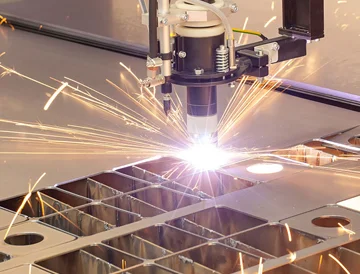
Oxy-fuel cutting, also known as oxygen cutting, is one of the most widely used thermal cutting methods for metals. It involves using a high-pressure stream of pure oxygen to oxidize and burn through metal. First, the metal is preheated to its ignition temperature (approximately 900–1300°C). Then, a jet of pure oxygen is directed at the heated area, triggering a chemical reaction that rapidly oxidizes the metal. The molten oxides are blown away, resulting in a clean and straight cut.
This method is particularly effective for cutting carbon steel and low-alloy steels, but it is not suitable for stainless steel, aluminum, or copper, as these materials do not oxidize effectively. Oxy-fuel cutting is commonly used in shipbuilding, construction, demolition, equipment repair, and metal structure fabrication.
Key advantages of oxygen cutting include:
- Simple and low-cost equipment,
- Ability to cut very thick metals (up to 300 mm and more),
- No need for electrical power, making it suitable for field work.
However, there are also some drawbacks: relatively lower precision, formation of slag (dross), and a heat-affected zone around the cut. Despite this, oxygen cutting remains a reliable and efficient cutting method, especially in heavy industry. Its versatility and effectiveness make it a trusted choice for processing steel on both small and large scales.