


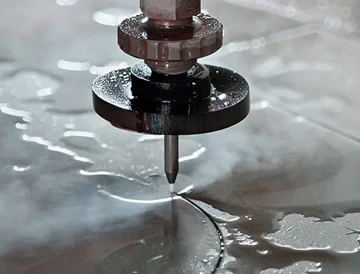
Waterjet cutting
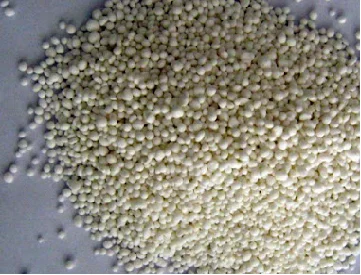
Waterjet cutting, also known as abrasive waterjet cutting, is a modern material processing technique that uses a high-pressure stream of water mixed with abrasive particles. Water under extreme pressure (typically 40,000 to 90,000 PSI) is forced through a small nozzle, and with the help of abrasive materials like garnet sand, it cuts through a wide variety of materials — from rubber and plastic to steel, titanium, and ceramics.
The main advantage of waterjet cutting is that it’s a cold cutting process, meaning there is no heat involved. Unlike laser or plasma cutting, waterjet cutting does not produce heat-affected zones (HAZ), which prevents deformation, hardening, or structural changes in the material. This is critical when working with materials that are sensitive to temperature or when high dimensional accuracy is required.
Waterjet cutting is known for its precision, ability to produce clean edges, and capability to handle complex shapes without additional machining. It is widely used in aerospace, automotive, mechanical engineering, architecture, and even in furniture and interior design industries.
Although the machinery for waterjet cutting can be expensive, its versatility, precision, and environmentally friendly nature make it a preferred method for cutting a wide range of materials in various industrial sectors.