




Sandblasting
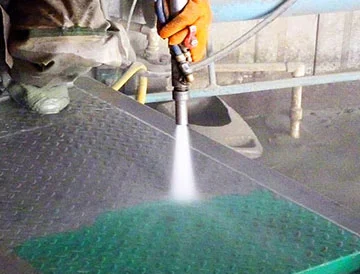
Sandblasting, also known as abrasive blasting, is a surface treatment process in which abrasive material (such as quartz sand, glass beads, or aluminum oxide) is propelled at high velocity using compressed air or water to clean, etch, or prepare a surface. It is widely used to remove rust, old paint, scale, contaminants, or to prepare surfaces for coating, welding, or bonding.
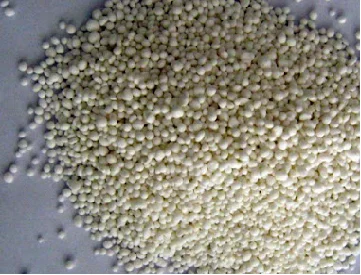
The process is carried out using sandblasting machines, which come in various types such as pressure blasters, suction blasters, and cabinet systems. The choice of abrasive depends on the surface material and desired result — softer abrasives for delicate work (e.g. soda, walnut shells), and harder ones for industrial cleaning (e.g. steel grit, garnet).
Key advantages of sandblasting:
- Deep and uniform cleaning of surfaces;
- Excellent preparation for painting or coating;
- Access to hard-to-reach areas;
- Ability to create matte decorative finishes on glass, metal, and stone;
- Removes corrosion without damaging the base material.
Sandblasting is essential in industries such as construction, shipbuilding, automotive repair, manufacturing, and even art and design. It is a versatile and efficient method for ensuring clean, adhesive-ready surfaces.