




Welding of pipes
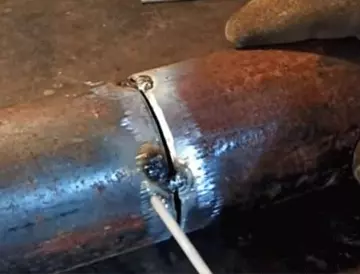
Pipe welding is the process of joining metal pipes together using various welding techniques. It is an essential operation in construction, manufacturing, plumbing, heating systems, gas pipelines, and especially in the oil and gas industry. The main goal of pipe welding is to create a strong, leak-proof, and long-lasting connection capable of withstanding mechanical loads, pressure, and environmental factors.
Common types of pipe welding include:
- Manual Arc Welding (MMA) — ideal for large-diameter pipes and outdoor work,
- Semi-automatic Welding (MIG/MAG) — offers fast welding with consistent quality,
- Tungsten Inert Gas Welding (TIG) — used for stainless steel, aluminum, and non-ferrous metals,
- Automatic Welding — suitable for mass production and industrial settings.
Advantages of pipe welding:
- Tight, sealed joints,
- High strength and durability,
- Versatility across different materials and pipe sizes,
- Ability to weld in confined or hard-to-reach areas,
- Reliable for both low- and high-pressure systems.
Proper pipe welding is critical for the integrity and safety of any pipeline system — whether transporting water, gas, steam, or oil. A high-quality weld reduces maintenance costs, prevents leaks, and extends the service life of the entire system.