




Welding of sheet metal
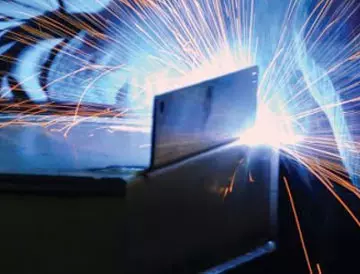
Sheet metal welding is the process of joining flat metal sheets of varying thickness using thermal methods. It is widely used in construction, automotive manufacturing, industrial equipment, HVAC systems, appliances, and other metal structures where strong, clean joints are required.
Common welding techniques for sheet metal include:
- Manual arc welding (MMA) — used for thicker sheets or on-site work;
- MIG/MAG semi-automatic welding — ideal for medium to thin sheets with high speed and quality;
- TIG welding (argon arc) — perfect for thin sheets and non-ferrous metals;
- Plasma welding — offers precision and minimal distortion.
Proper surface preparation is crucial — removing rust, grease, and ensuring tight fitting between sheets. Welding parameters like current, voltage, and speed must be carefully controlled to avoid burn-through or weak joints.
Advantages of sheet metal welding:
- Strong, airtight and watertight joints;
- Compatibility with different metals and alloys;
- Clean, neat weld appearance;
- Suitable for both manual and automated applications;
- Enables fabrication of complex designs and lightweight structures.
Sheet metal welding is essential in producing durable and efficient metal products across many industries — from construction and transportation to electronics and consumer goods.